


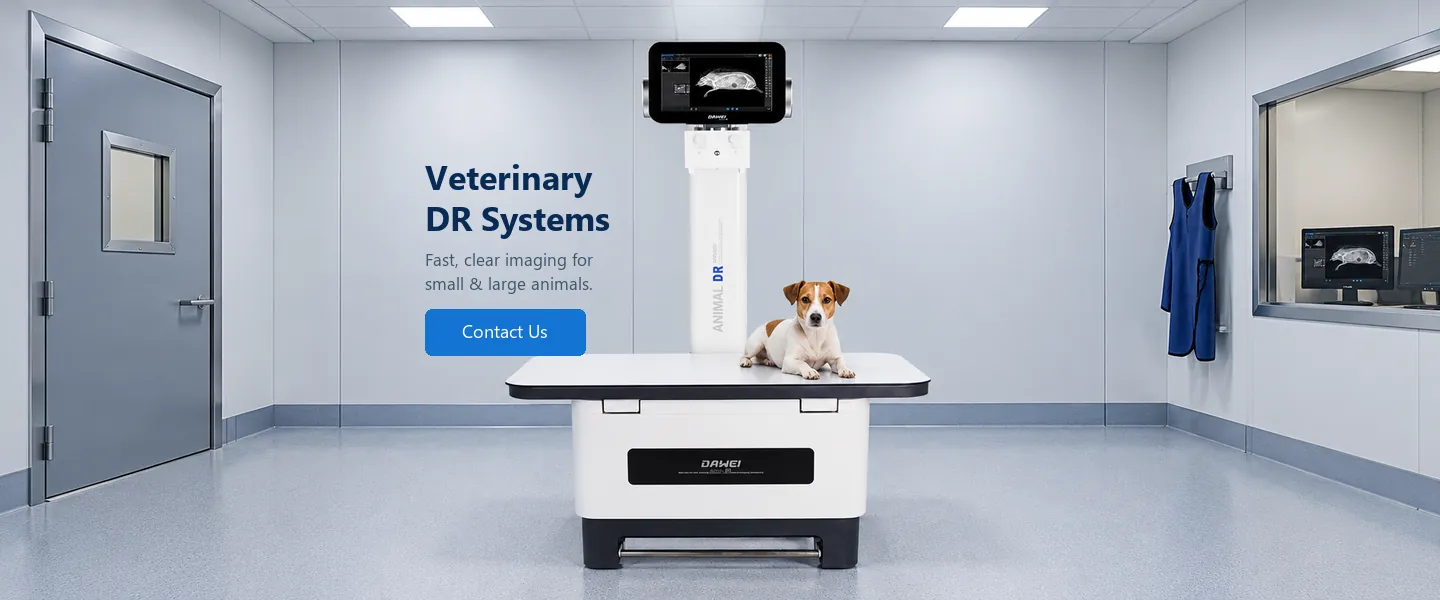
Dawei offers fixed, mobile and portable veterinary DR systems for small animals, equine practices and large-animal imaging. Compare models by power, mobility and clinical application to find the right solution for your veterinary facility.
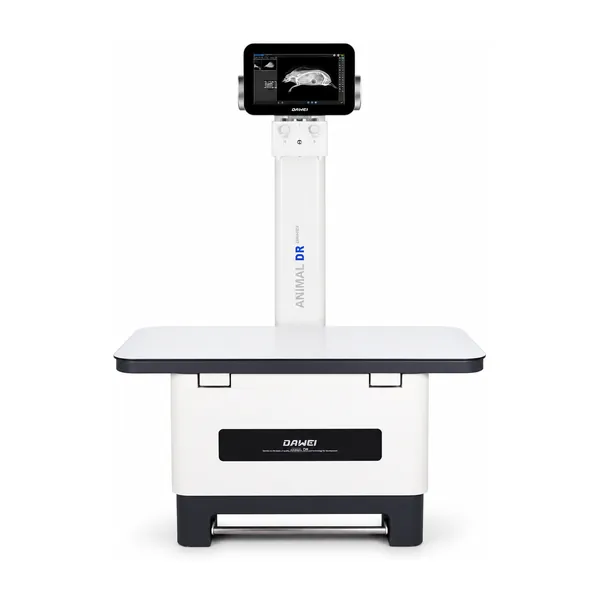
Small Animal Veterinary DR Systems
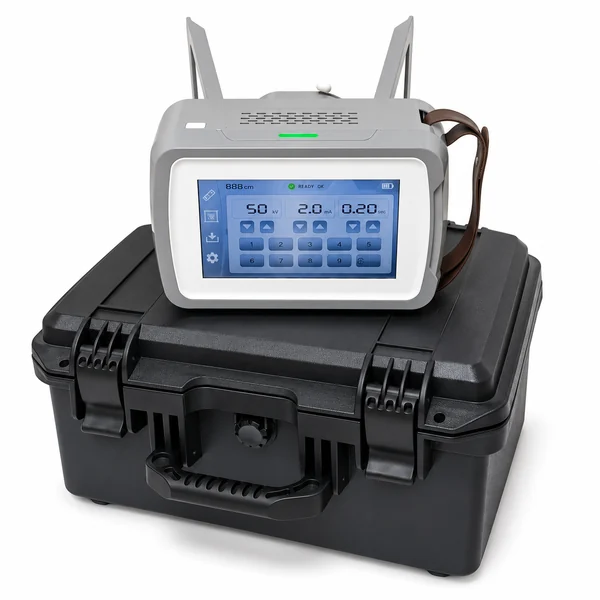
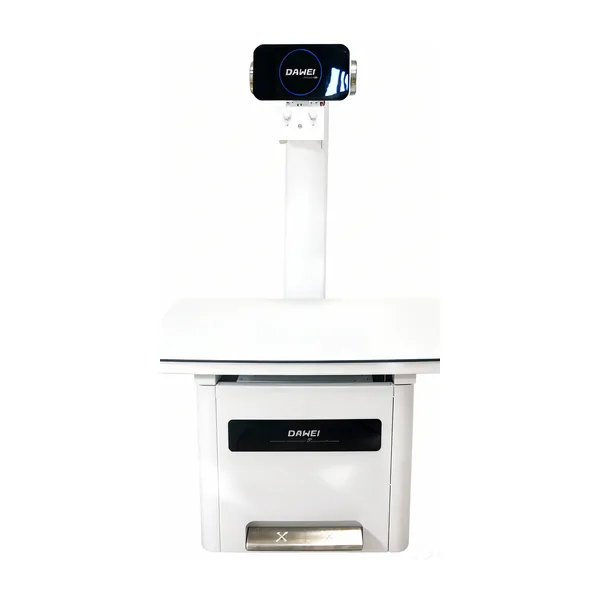
Large Animal Veterinary DR Systems

How to Choose a Veterinary DR System
The right system depends on the animals you examine, where imaging is performed and the level of power, mobility and workflow integration your practice requires.
1Animal Type and Body Size
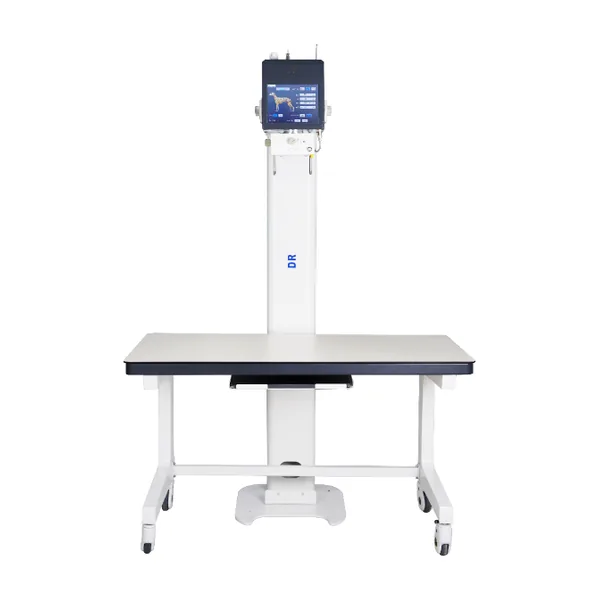
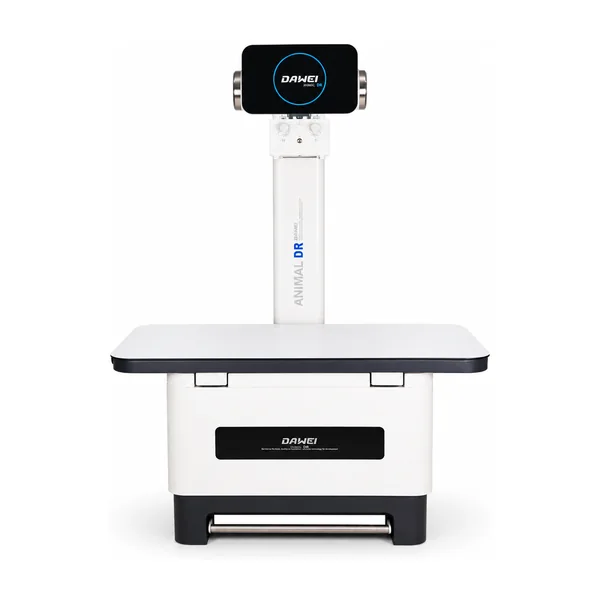
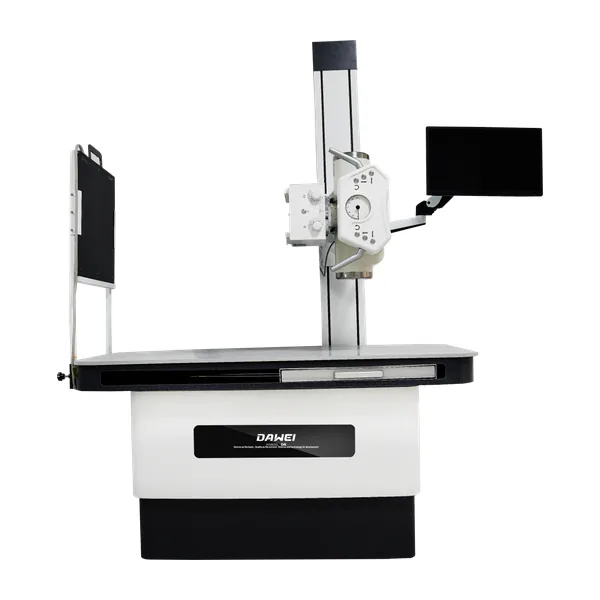
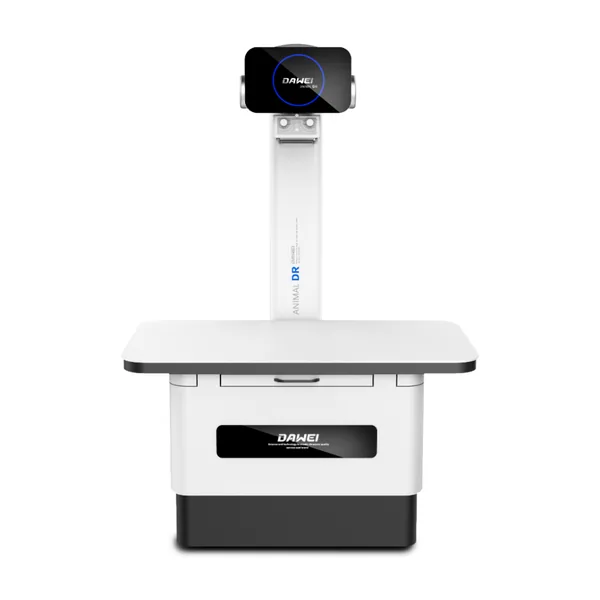
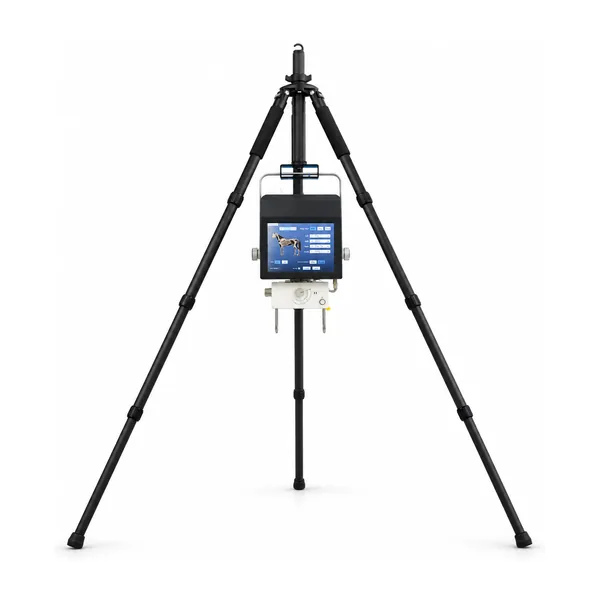
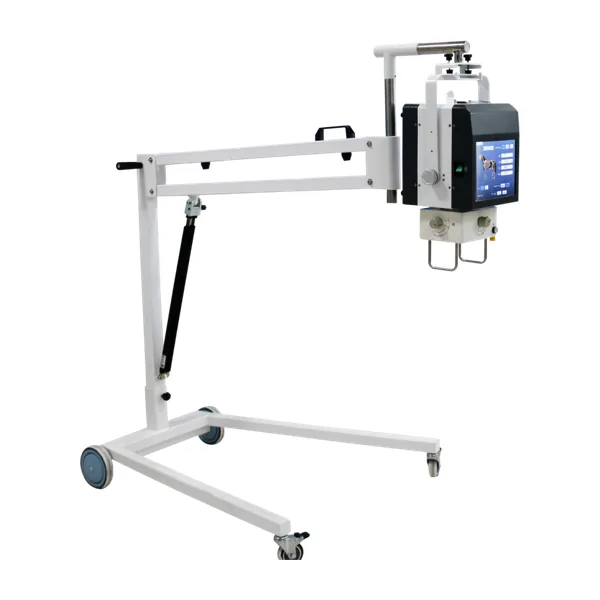
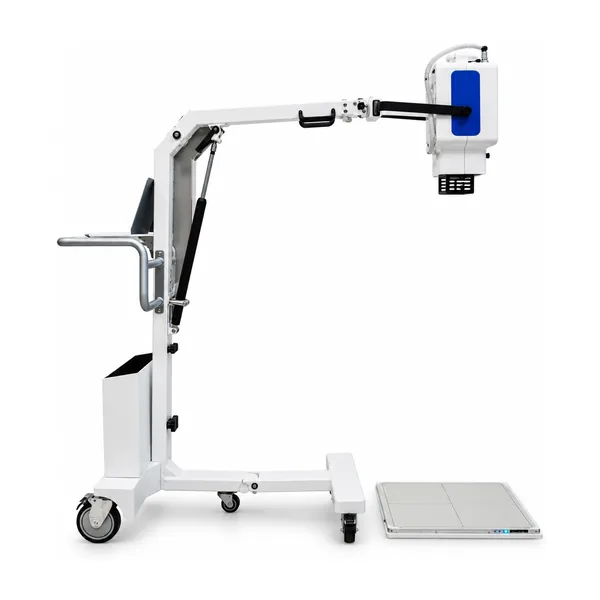
For dogs, cats and other companion animals, fixed systems such as the RV-20A and RV-32 series support routine orthopedic, thoracic and abdominal examinations. Equine and livestock imaging may require a field-portable solution such as the RV-550A or RV-5C, or a high-power stationary system such as the RV-80D.
2Fixed, Mobile or Field-Portable Use
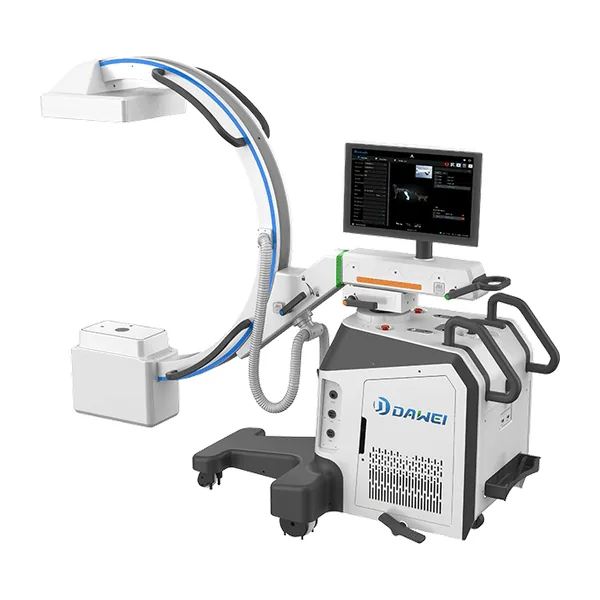
Choose a fixed table system for repeatable positioning and efficient daily work in a clinic. Mobile and field-portable systems are better suited to barns, equine centers, farms and on-site examinations. For image-guided procedures and surgery, consider a mobile C-arm such as the RCM-605XV.
3Generator Power
Portable systems prioritize mobility, while higher-output systems provide more exposure headroom for larger patients and demanding views. Dawei options range from the 5kW RV-5B and 5.3kW RV-5C to the 20kW RV-20A, 32kW RV-32 series and 80kW RV-80D. Final selection should reflect animal size, anatomy and examination volume.
4Detector and Digital Workflow
Several systems use a 17 × 17 inch CsI flat panel detector with a 3072 × 3072 matrix, 139 μm pixel size and 16-bit image depth. Also compare preview speed, wired or wireless transmission, veterinary image-processing tools and DICOM connectivity according to your clinical workflow.
5Standard or Dynamic Imaging
Standard DR is designed for routine still radiography. The RV-32D adds dynamic imaging and real-time observation, while the RCM-605XV mobile C-arm supports fluoroscopic guidance for orthopedic, soft-tissue and other veterinary surgical procedures. Choose the imaging mode according to the procedures you plan to perform.
Why Work with Dawei Veterinary
Veterinary imaging solutions backed by manufacturing experience, quality management and international service capabilities.
Quality management for medical-device development and manufacturing.
Dawei products are supplied to customers in more than 160 countries and regions.
Product development, production and configurable solutions from an experienced manufacturer.
User materials, installation guidance, online training and after-sales technical assistance.
Veterinary DR System FAQs
Quick answers to common questions from veterinary clinics, equine practices and large-animal facilities.
What is the difference between a fixed and portable veterinary DR system?
A fixed DR system is installed in a dedicated X-ray room and provides stable positioning, consistent workflow and higher throughput. A portable or mobile system is easier to move between treatment rooms or take to barns, farms and field locations. Your choice should reflect the examination environment, animal type and daily case volume.
Which DR system is suitable for dogs and cats?
For routine small-animal radiography, the RV-20A and RV-32 series provide fixed-table workflows for orthopedic, thoracic and abdominal examinations. The RV-32B adds an integrated touchscreen, the RV-32AL emphasizes a 32kW low-dose workflow and DICOM connectivity, and the RV-5B is intended for applications where portability is important.
Which system is suitable for horses, cattle and other large animals?
For field and barn examinations, consider the tripod-based RV-550A, the mobile RV-5C or the RV-550B large-animal system. Facilities requiring a dedicated high-output installation can consider the 80kW RV-80D. The most suitable configuration depends on animal size, required views, available space and power supply.
When should I choose dynamic DR or a mobile C-arm?
Choose standard DR for routine still radiographs. Dynamic DR, such as the RV-32D, is intended for real-time observation in addition to radiography. A mobile C-arm such as the RCM-605XV is more appropriate when live fluoroscopic guidance is required during orthopedic, soft-tissue or other veterinary surgical procedures.
Does the system include a flat panel detector and imaging software?
Many Dawei DR configurations include a flat panel detector and veterinary image-processing software, but the standard package and optional accessories can vary by model and market. Ask for a configuration list covering the generator, detector, workstation, software, DICOM functions, positioning equipment and protective accessories.
Do you provide installation, training and technical support?
Dawei provides product manuals, installation guidance, online operation training and technical support. The exact installation method, warranty coverage and on-site service availability depend on the selected model and destination, so these details should be confirmed in the quotation.
What information is needed to recommend a veterinary DR system?
Please tell us the animal species and typical body size, main examination types, expected daily workload, fixed or mobile use, available power supply, preferred detector configuration, DICOM requirements and destination country. This information helps us recommend an appropriate system and quotation.
Not Sure Which DR System Fits Your Practice?
Tell us what animals you examine, where imaging will be performed and which clinical applications you need. Our team will recommend a suitable veterinary DR configuration.