


Not sure which model fits your clinic? Tell us which animals you treat and the monitoring functions you need. Our team can help you compare available configurations and accessories.
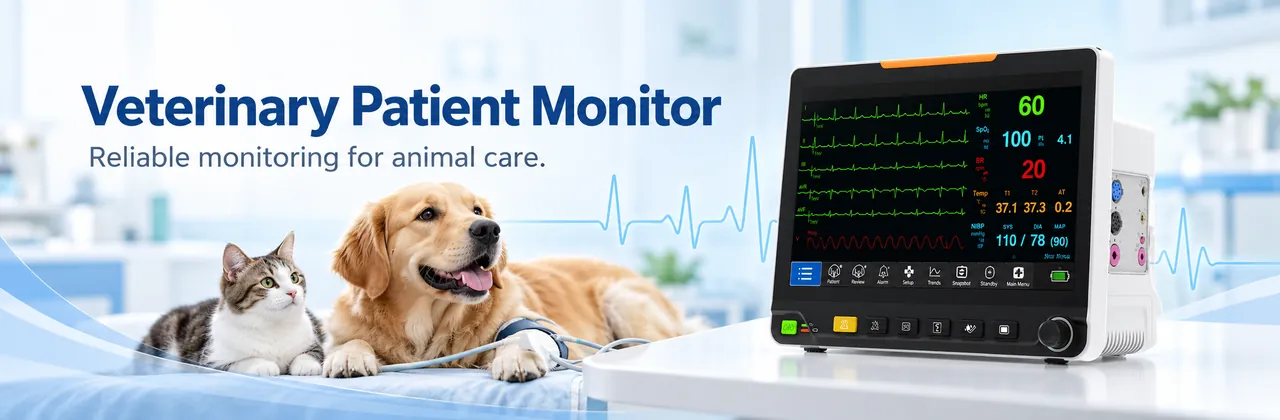
Veterinary patient monitors help veterinarians track vital signs during surgery, anesthesia, emergency care, and patient recovery. By displaying measurements such as ECG, heart rate, SpO₂, non-invasive blood pressure (NIBP), respiratory rate, and temperature, these devices allow veterinary teams to observe changes in a patient's condition and respond when closer attention is needed.
Dawei Veterinary Medical offers a range of veterinary multiparameter monitors for animal clinics and hospitals. Our HM10, HD10, HD11-VET, and HD12-VET models provide essential monitoring functions, with different display designs, operating features, and optional configurations to suit clinical needs. Whether you are equipping a small animal practice or upgrading a surgical monitoring setup, our team can help you compare available models and accessories.
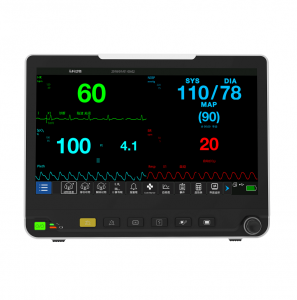
HD12-VET Multiparameter Monitor
Touchscreen monitor with modular design and expansion options

HM10 Veterinary Patient Monitor
Vital signs monitoring with animal-specific accessories

HD10-VET Veterinary Patient Monitor
Multiparameter monitoring with optional CO₂
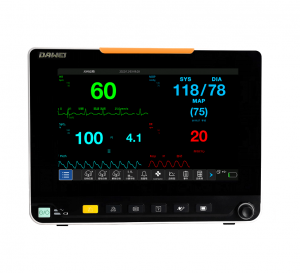
HD11-VET Surgical Patient Monitor
Touchscreen monitoring with optional capnography
Frequently Asked Questions
Frequently Asked Questions
A veterinary multiparameter monitor typically measures ECG, heart rate, oxygen saturation (SpO₂), non-invasive blood pressure (NIBP), respiratory rate, and temperature. Some models also support optional EtCO₂ monitoring for anesthesia applications.
Yes. Veterinary patient monitors can be used for dogs and cats when they support the intended species and are equipped with appropriately sized blood pressure cuffs, SpO₂ sensors, and ECG accessories.
Start by considering the types of animals you treat and the procedures you perform. Check the standard parameters, available accessories, alarm functions, battery operation, and optional monitoring modules. For clinics performing general anesthesia, capnography capability is an important consideration.
Need Help Choosing a Veterinary Patient Monitor?
Not sure which monitor is right for your practice? Read our guide on how to choose a veterinary multiparameter monitor, including essential parameters, accessories, and monitoring options for different clinical settings.