


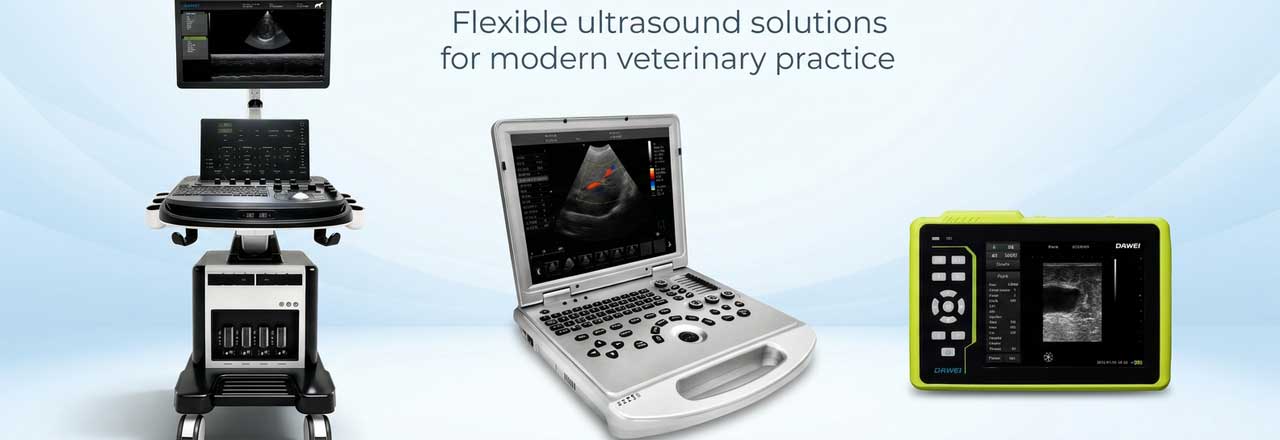
If you are trying to understand how much a vet ultrasound machine costs in Denmark, the short answer is this: it depends heavily on the machine format, imaging capability, and intended clinical use.
And that is exactly where many buyers get stuck.
They search for one neat number. One average. One magic figure that will tell them what they should expect to pay. But veterinary ultrasound pricing does not really work that way. A handheld scanner and a cart-based Color Doppler system do not belong in the same pricing conversation, even if both are technically “vet ultrasound machines.” The gap is too wide. The use case is too different. The diagnostic ambition is different too.
So, instead of pretending there is one universal price, this article takes a more useful route: a Denmark-focused budget comparison table. The goal is simple. Help buyers quickly see what kind of machine typically fits which budget level, and what they can realistically expect at that price point.
To make the table easier to use in Denmark, the pricing ranges below are expressed in:
- · USD as the original manufacturer-side reference range
- · EUR for broader European comparison
- · DKK for local Denmark-facing reading
For readability, EUR and DKK figures below are approximate conversions based on recent ECB reference exchange rates.
Denmark budget comparison: which vet ultrasound machine fits your budget?
| Budget level | Machine type | Typical models | USD range | Approx. EUR range | Approx. DKK range | Best for |
| Entry budget | Handheld veterinary ultrasound | Elite / Slite / Y6 | $399-$1,999 | €340-€1,703 | DKK 2,540-12,726 | Quick scans, basic screening, mobile use, budget-conscious clinics |
| Mid-range budget | Laptop-style veterinary ultrasound | L3 / P8 | $3,000-$7,000 | €2,556-€5,964 | DKK 19,099-44,565 | Small animal practice, daily abdominal work, more balanced imaging needs |
| Higher budget | Cart-based veterinary ultrasound | F3 / T8 | $4,000-$10,000 | €3,408-€8,519 | DKK 25,466-63,664 | Clinics needing stronger workflow, larger screen, more stable advanced imaging setup |
That table is the fast answer. But the real buying decision deserves a little more nuance.
Because price alone is never the whole story.
1. If your Denmark budget is very limited, handheld systems are the first place to look
At the low end of the market, handheld systems are often the most accessible entry point. In rough terms, this category starts around $399, which is about €340 or roughly DKK 2,540, and can rise to around $1,999, or approximately €1,703 / DKK 12,726.
That is a wide spread, yes. And it reflects a simple truth: not all handheld systems are built for the same level of work.
Within the Dawei Veterinary Medical lineup, models such as Elite, Slite, and Y6 are the kind of products buyers may compare in this bracket. They are usually considered when the goal is portability first—quick checks, basic reproductive work, rapid farm or field use, or simple clinic-side screening.
For some buyers, this is enough.
For others, it is not even close.
If you need a machine mainly for quick yes-or-no assessment, bedside mobility, or highly price-sensitive purchasing, a handheld unit can make sense. But if you expect longer scanning sessions, more confident abdominal detail, or a more stable daily workflow, you will probably outgrow the handheld category sooner than you think.
2. For many Danish clinics, the sweet spot sits in the laptop-style range
This is where the conversation gets more interesting.
Laptop-style veterinary ultrasound systems often hit the balance point between portability, screen size, usability, and imaging seriousness. They are not as cheap as handheld systems. But they are often far more practical for regular companion-animal scanning.
In the pricing ranges you provided, this category sits around $3,000-$7,000, which converts to roughly €2,556-€5,964 or about DKK 19,099-44,565.
That is a meaningful step up.
But usually for a reason.
Within Dawei Veterinary Medical, models like L3 and P8 fit naturally into this category. For Danish buyers comparing by budget, these are often the kinds of systems worth considering when they want something more capable than a handheld unit, but still more flexible and space-efficient than a full cart-based platform.
This bracket is often a strong fit for:
- · small animal clinics,
- · everyday abdominal exams,
- · general internal medicine workflow,
- · and buyers who want a more serious pet ultrasound machine without moving immediately into a heavier premium setup.
In plain language: this is the range where many clinics stop asking, “What is the cheapest machine?” and start asking, “What will actually work well every week?”
3. If the clinic wants a more stable full-workflow setup, cart-based systems usually sit higher
Now we move into the more infrastructure-minded purchase.
Cart-based systems generally make more sense when the buyer is not just purchasing a scanner, but building a more consistent imaging station. Screen size matters more here. Probe management matters more. Operator comfort matters more. In many cases, the machine is expected to handle a broader caseload and stay in regular service for longer scanning sessions.
The range you gave for this class is $4,000-$10,000, which works out to approximately €3,408-€8,519 or DKK 25,466-63,664.
That price band naturally includes models such as F3 and T8 within the Dawei Veterinary Medical brand context.
This does not mean every Danish clinic needs a cart-based system. Far from it.
But if the practice wants:
- · a more established imaging room setup,
- · larger display comfort,
- · better workflow continuity,
- · or a more premium presence for daily use,
then this category often becomes the more logical destination.
Denmark buying guide by budget: what do these numbers actually mean?
Let’s simplify the comparison even further.
If your budget is under about DKK 13,000
You are usually looking at the handheld segment.
That means entry-level mobility, lighter workflows, and price-first decision-making. It may be enough for basic use. It may also be limiting if your team expects a more conventional clinic scanning experience.
If your budget is roughly DKK 19,000 to DKK 45,000
You are in a much more flexible zone. This is the space where laptop-style systems start to make strong practical sense.
For many buyers in Denmark, this may be the most balanced category overall. Not the cheapest. Not the biggest. But often the most rational.
If your budget is around DKK 25,000 to DKK 64,000
You are entering the cart-based range, especially for buyers who want a more stable setup and a more “full system” feel.
At this level, the conversation is no longer just about whether the machine works. It is about how well it supports workflow, operator comfort, and long-term use.
A quick model-by-budget table for Denmark buyers
Here is the same idea in an even simpler buyer-oriented format.
| If your budget in Denmark is… | You should first look at… | Example Dawei Veterinary Medical models |
| Under DKK 13,000 | Handheld systems | Elite, Slite, Y6 |
| Around DKK 19,000-DKK 45,000 | Laptop-style systems | L3, P8 |
| Around DKK 25,000-DKK 64,000 | Cart-based systems | F3, T8 |
This is not meant to be rigid. There is overlap. There always is.
So, how much does a vet ultrasound machine cost in Denmark?
If we strip the answer down to its cleanest form:
- · Handheld systems: about €340-€1,703 or DKK 2,540-12,726
- · Laptop-style systems: about €2,556-€5,964 or DKK 19,099-44,565
- · Cart-based systems: about €3,408-€8,519 or DKK 25,466-63,664
And if you want to express that in product language rather than hardware categories, a natural Dawei Veterinary Medical framing would be:
- · Elite / Slite / Y6 for entry-budget handheld buying
- · L3 / P8 for mid-range laptop-style buying
- · F3 / T8 for higher-budget cart-based buying
That, in practice, is the real answer.
Not one number. A range. A structure. A budget ladder.
Final thoughts
The question “How much does a vet ultrasound machine cost in Denmark?” sounds simple. But the useful answer is not a single price tag. It is a comparison of machine classes, budget levels, and intended use.
A small mobile workflow may point toward a handheld unit. A companion-animal clinic that wants a more balanced daily scanner may find the laptop-style bracket more attractive. A practice building a stronger imaging setup may prefer a cart-based system instead.
The smartest content—and often the smartest buying process too—does not flatten those differences. It explains them.
That is why a budget comparison table works so well here. It matches how people actually search. And just as importantly, it matches how people actually buy.
FAQ
What is the cheapest type of vet ultrasound machine in Denmark?
Usually a handheld unit. Based on the ranges provided here, handheld systems start at about $399, which is roughly €340 or DKK 2,540.
Which machine type offers the best balance for small animal clinics?
In many cases, laptop-style systems offer the most balanced mix of portability, usability, and imaging capability. That is why models like L3 and P8 are often easier to position for regular clinic use than pure entry-level handheld devices.
Are cart-based vet ultrasound systems always more expensive?
Generally yes, though there can be overlap depending on configuration. In the ranges used here, cart-based systems such as F3 and T8 sit above handheld machines and often overlap with the upper end of laptop-style systems.
Should I show both EUR and DKK on a Denmark product page?
Yes. For Denmark-facing SEO and buyer convenience, showing both EUR and DKK can make pricing easier to understand and compare.
Post time: May-13-2026